Ehlers-Danlos syndromeWhat it means for your hands
Fingers that bend backwards more than they should. A wrist that 'pops' out of place when you lean on it. Joints that ache after simple activities. Pain that's hard to explain because nothing looks broken on a scan.
If you have Ehlers-Danlos syndrome (EDS), this is probably familiar. Hand and wrist symptoms are some of the most common features of EDS. On this page we focus on what's happening in your hands, and why daily tasks can be so painful or unpleasant.
What is EDS, and how does it affect the hands?
Ehlers-Danlos syndrome is a group of inherited connective tissue disorders. Connective tissue includes the collagen that gives ligaments, tendons, skin and blood vessels their strength. With EDS, that collagen is structured differently, which makes connective tissue more elastic and less stable than usual.
In the hands and wrists, that means:
- Joints that move beyond the normal range (hypermobility)
- Joints that partially or fully dislocate with everyday activities
- Ligaments that don't return to their original length after being stretched
- Tendons and nerves that can become irritated by excessive joint movement
- Skin that bruises easily and may scar abnormally
There are several types of EDS, with hypermobile EDS (hEDS) being the most common. Most types share the joint instability that causes hand and wrist symptoms.
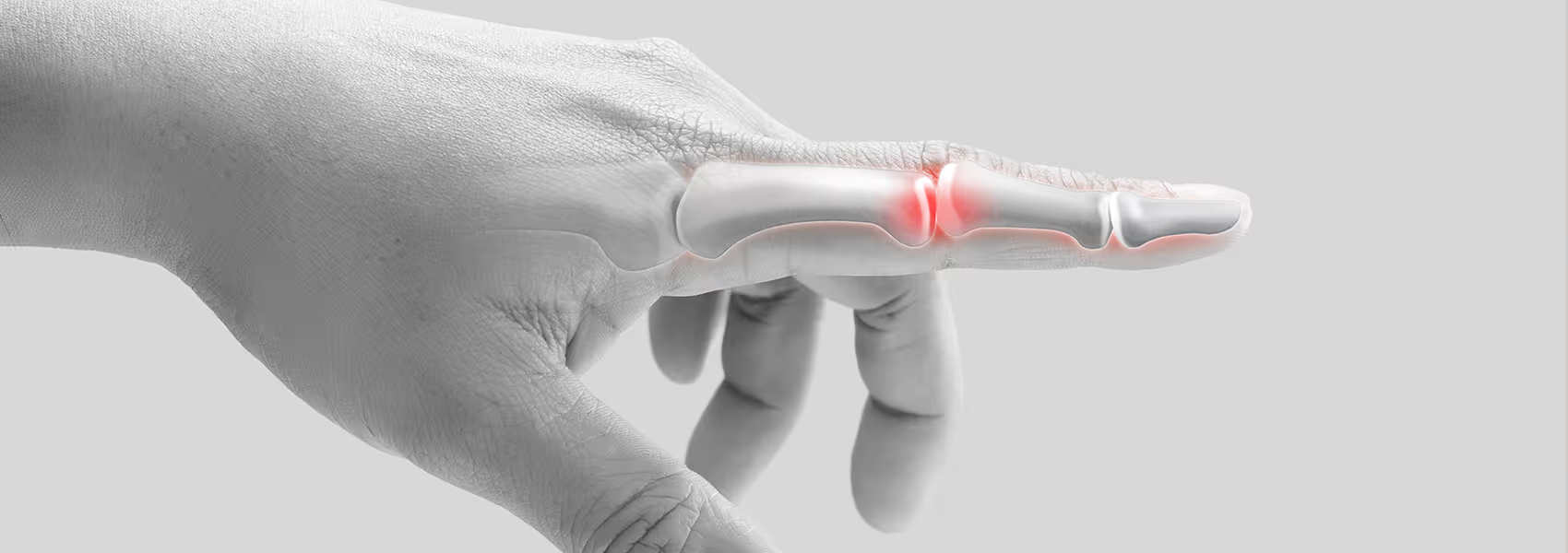
Common hand and wrist problems with EDS
People with EDS often experience a combination of these:
Joint instability and subluxations
Subluxations are partial dislocations where the joint slips out of position briefly, then slides back. These can happen multiple times a day during normal activities. This is painful and over time damages surrounding tissue.
Wrist instability
The wrist has many small joints, and instability can occur in any of them. Common patterns include the wrist 'giving way' under load, or specific joints (like the distal radioulnar joint) becoming painful and clicking.
Reduced grip strength
Not because the muscles are weak, but because unstable joints can't transfer force effectively. Your hand may feel weaker than it actually is, simply because power leaks out at every unstable joint.
Chronic joint pain
From the constant strain of unstable joints. Pain often spreads beyond the joint itself to the surrounding muscles, which work overtime to compensate.
Early-onset osteoarthritis
Joints that move too much wear out earlier. People with EDS often develop osteoarthritis decades earlier than the general population.
How EDS hand problems are diagnosed
Most people are already aware they have EDS by the time hand symptoms become a primary concern. For specific hand and wrist problems, additional assessment may include:
Treatment: managing instability without surgery
There's no cure for EDS - the underlying connective tissue can't be changed. But hand and wrist symptoms can often be managed effectively. The key is supporting unstable joints so they don't keep being damaged.

Education and joint protection
Understanding which movements destabilise your joints, and learning alternatives, makes a huge difference. A hand therapist familiar with EDS can teach you joint protection strategies tailored to your specific patterns of instability.

Targeted strengthening
Building muscle strength to compensate for ligament laxity. The exercises differ from general strengthening and they focus on the small stabilising muscles that have to work harder when ligaments cannot.
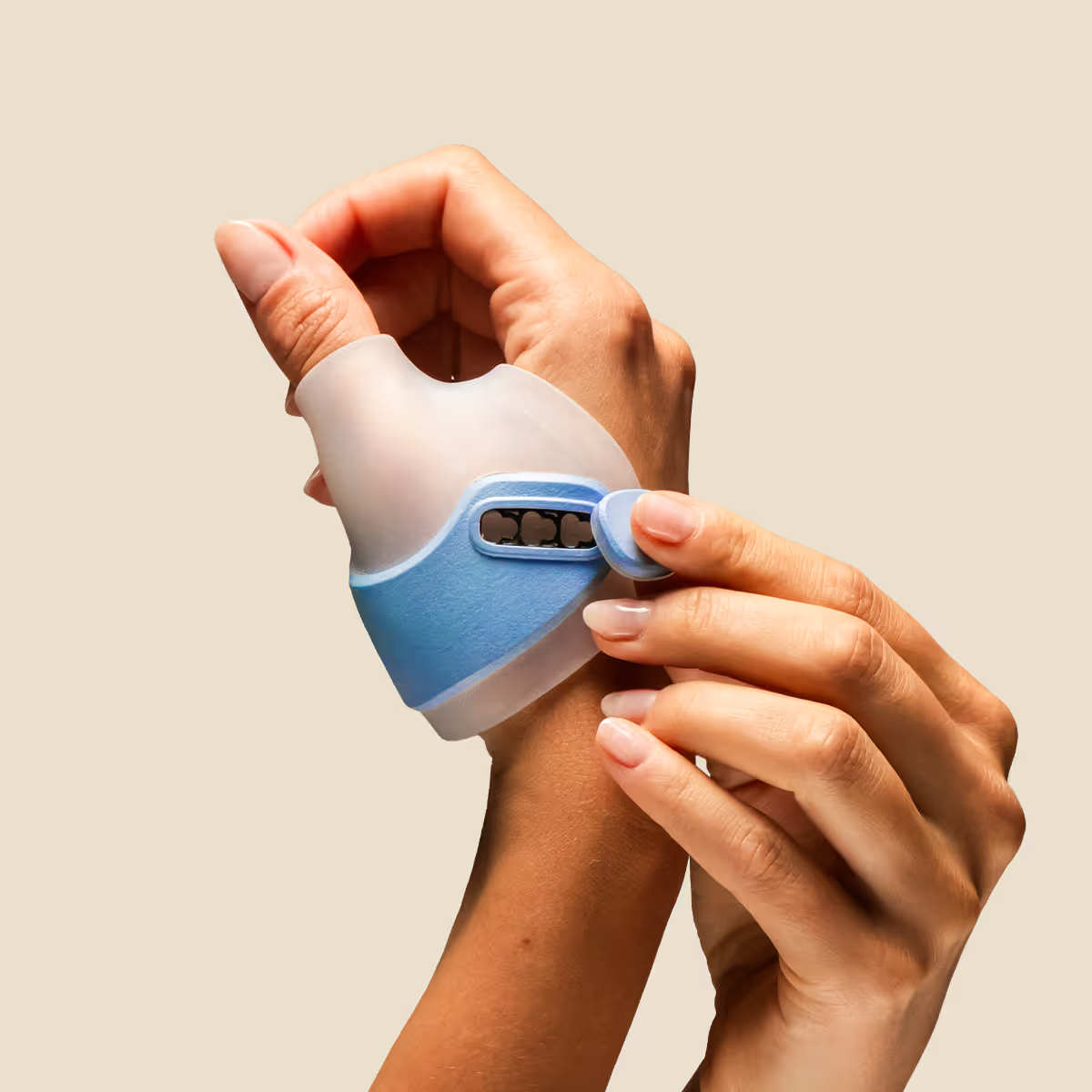
Custom-made braces & splints
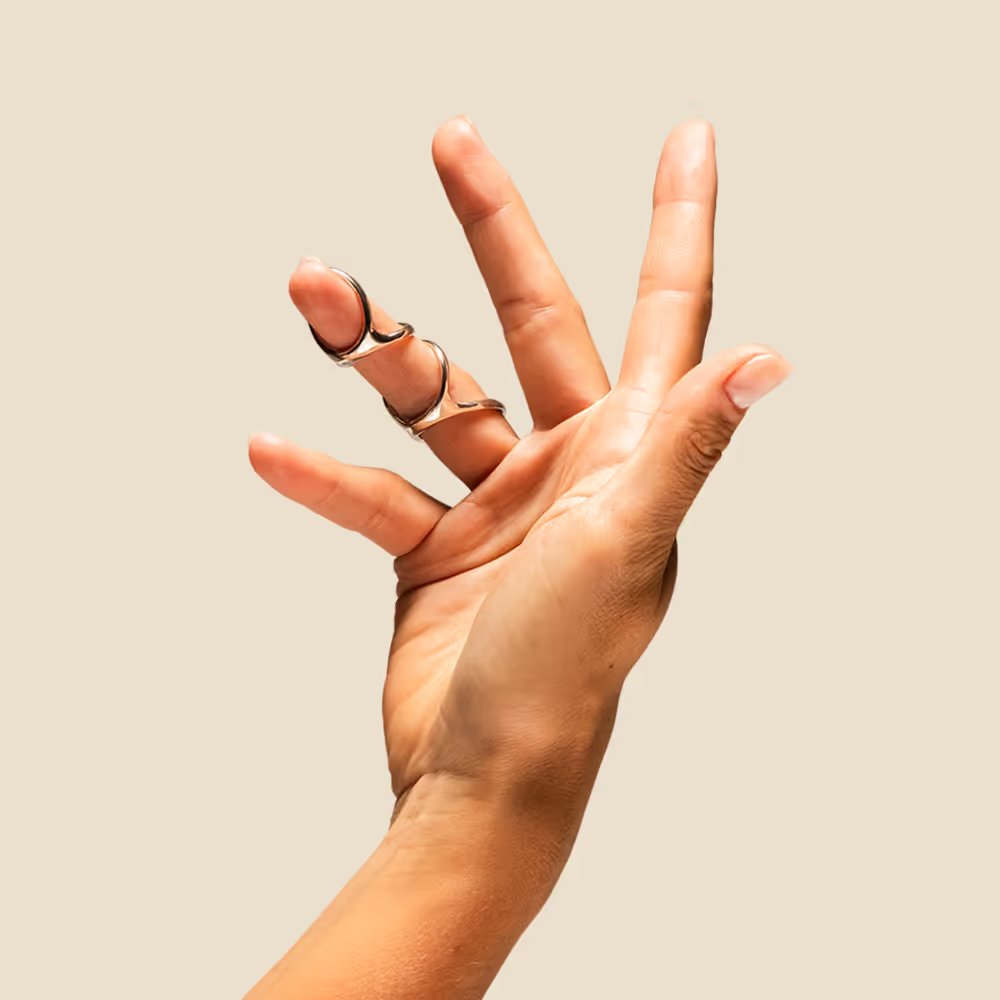
This is where many people with EDS find significant relief. The right brace gives an unstable joint mechanical support that the ligaments can't provide. Common options include wrist braces, fingersplints, and thumb braces.
A custom-made brace is designed for your specific anatomy and instability patterns - it supports exactly the joints that need it, without restricting the ones that work fine.

Pain management
EDS pain is often complex and may need a multidisciplinary approach including pain specialists, medication, and psychological support. Hand braces can reduce pain by reducing joint strain, but they're one part of a wider strategy.

Surgery
Surgery in EDS is performed with caution. The same connective tissue weakness that causes the original problem also affects healing. Tissues may not hold sutures well, and surgical results can be less predictable than in people without EDS. Most EDS specialists recommend exhausting conservative options before considering surgery, and being very selective about which procedures.
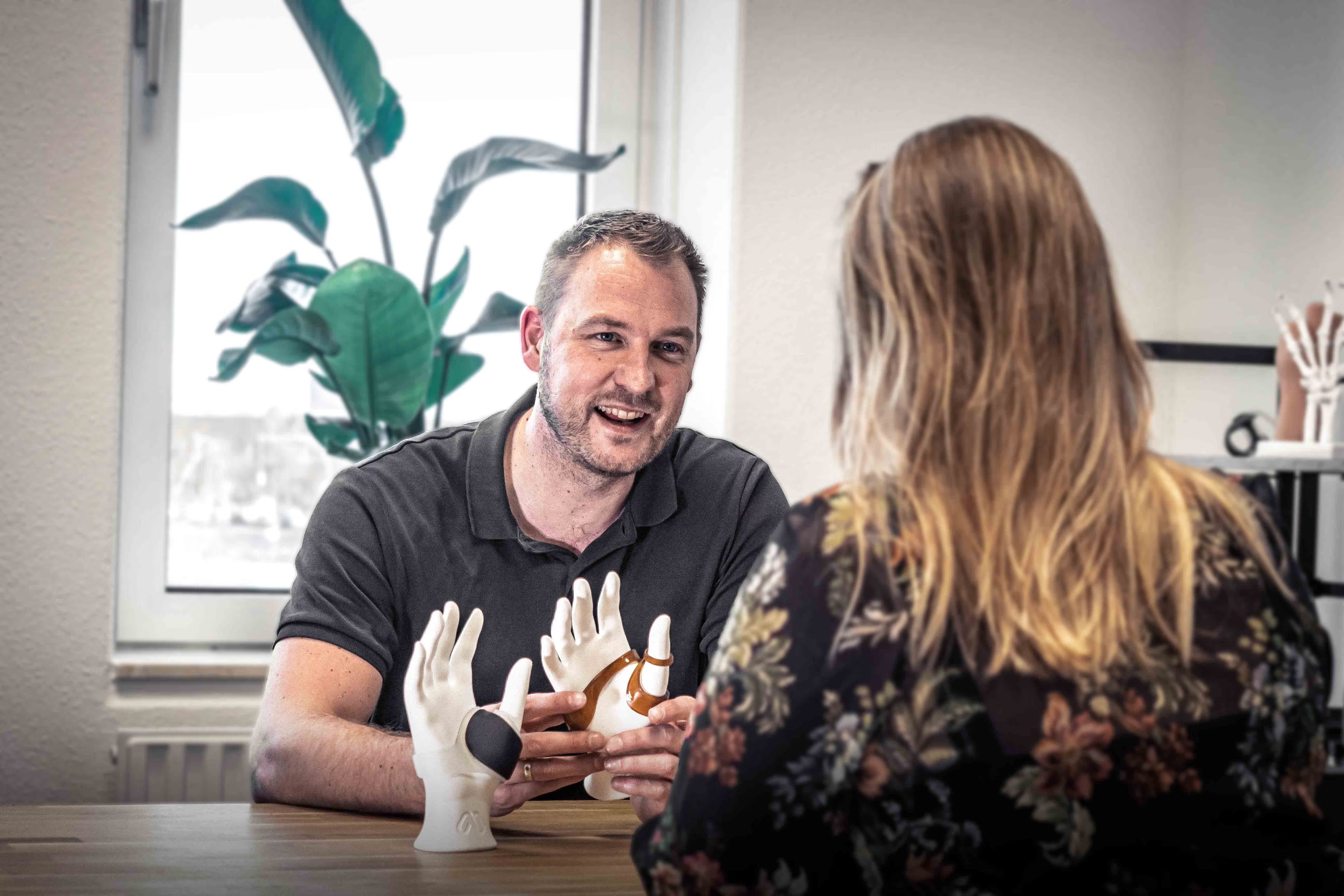
Why do custom braces
& splints matter for EDS?
For most conditions we treat, a custom brace is a good alternative to a confection braces because it fits better and is more comfortable. With EDS, that bar is higher.
EDS hands often have multiple unstable joints with different patterns of laxity. A standard brace tends to either over-restrict, or under-support, and does not fit perfectly. A custom brace based on a 3D scan can be designed to support specific instabilities and your unique anatomy.
How do I know if a brace is a match for me?
Whether a brace is a good treatment for you depends on multiple factors, and is determined by a medical specialist.
To help you get started, we've created a short online test. You'll answer a few questions about your complaints, and can receive a free information to help you address your complaints.
Was unsere Partner sagen:
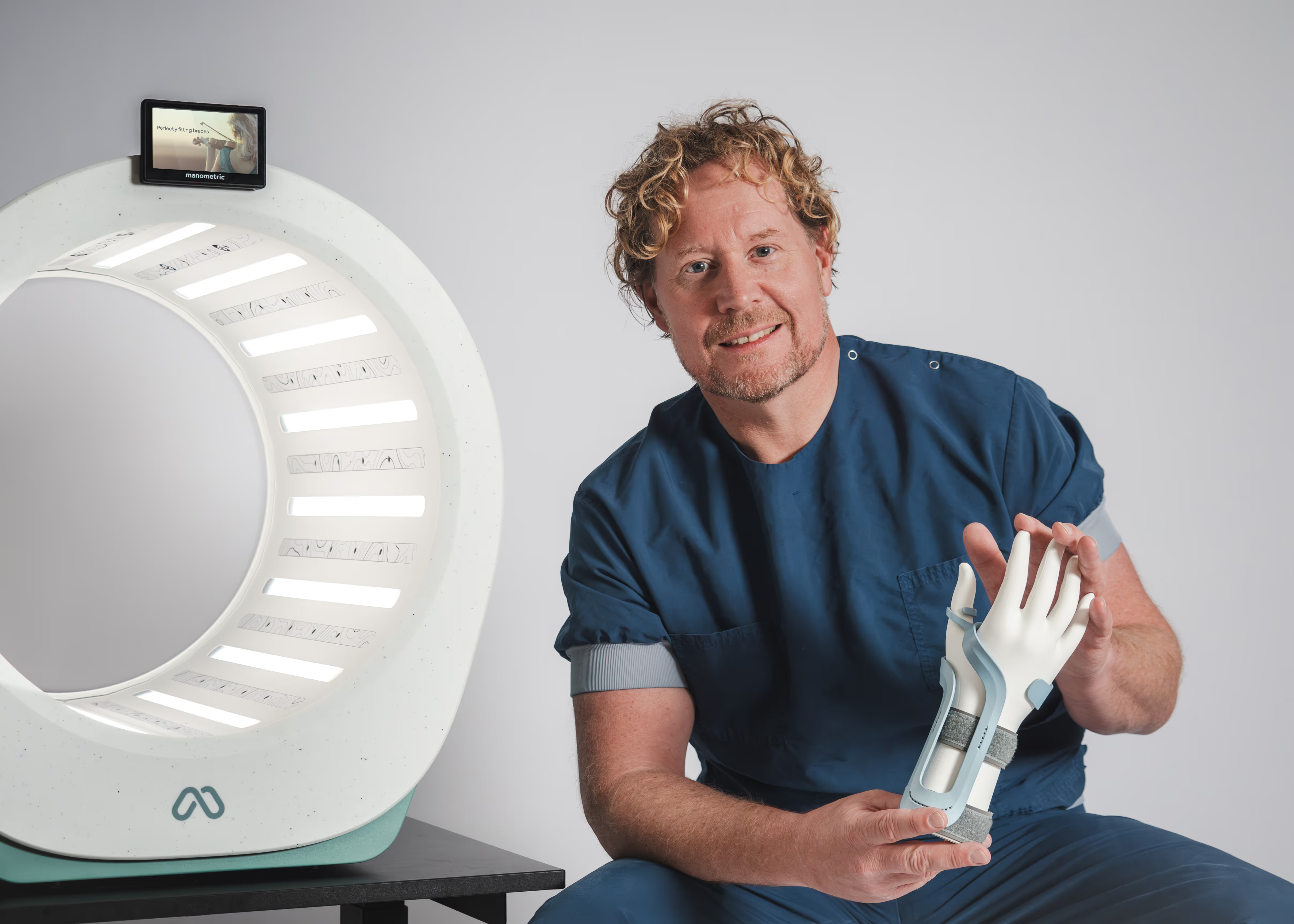
"Manometric Orthesen sind nicht nur sehr funktionell, sondern auch bequem und sehen gut aus. Ich stelle fest, dass Patienten mit manometrischen Orthesen sehr zufrieden sind.“

“Weil Manometric in der Abteilung präsent ist, wird den Patienten schneller und am selben Ort geholfen und wir behalten die Kontrolle.”
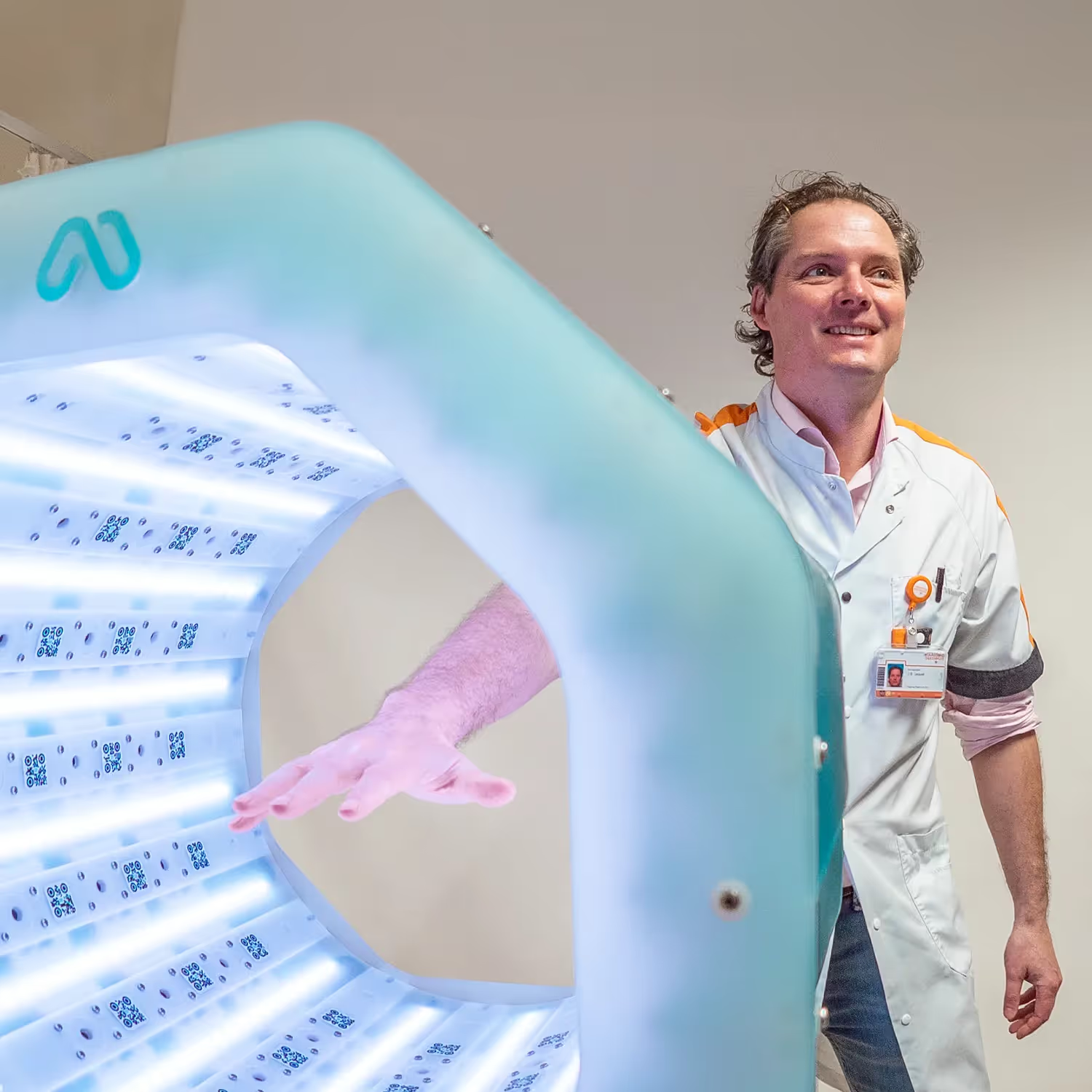
“Die Patienten schätzen es, dass sie sofort zu Ihnen kommen können”

“Eine patientenspezifische Schiene von Manometric, die auf einem Handscan basiert, ist einzigartig”